**Astronomy Picture of the Day**

npub1ap0dw55xedm5w4mkcyq8m7xyluwfc680lywrvfe50vr9ckl5m3uqtf5l75
hex
c279fb3ad56f089a233056bbda7eba6b47b34d1e2d9f74b4946cf3dacd4b5c4cnevent
nevent1qqsvy70m8t2k7zy6yvc9dw7606axk3anf50zm8m5kj2xeu76e494cnqprpmhxue69uhhyetvv9ujuem4d36kwatvw5hx6mm9qgswshkh22rvka682amvzqralrz078yudrhlj8pkyu68kpjut06dc7q6f34atKind-1 (TextNote)
Astronomy Picture of the Day
23 May 2026
Messier 2
Image: 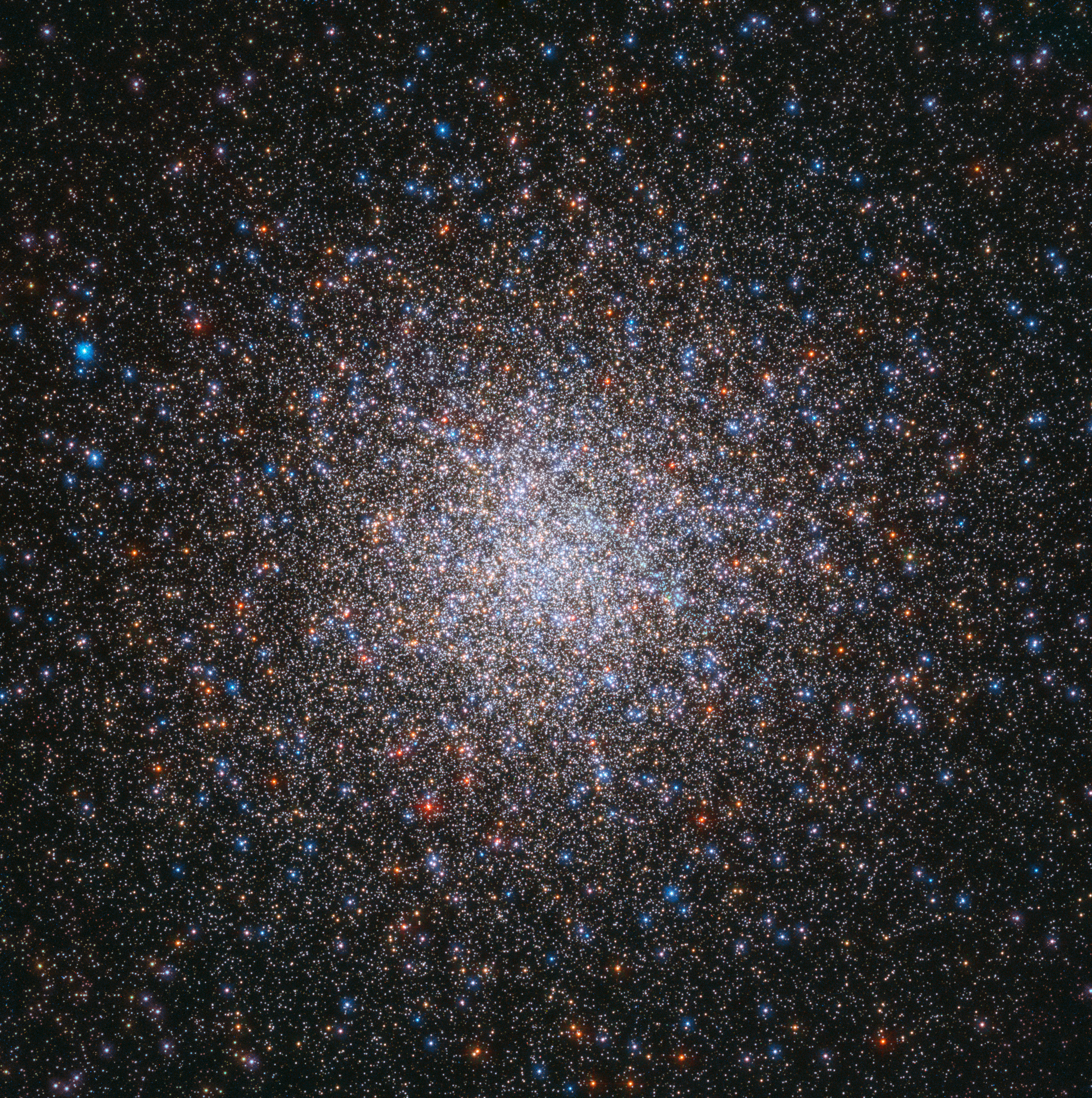
Image Credit: ESA/Hubble & NASA , G. Piotto et al.
After the Crab Nebula , this giant star cluster is the second entry in 18th century astronomer Charles Messier's famous list of things that are not comets. M2 is one of the largest globular star clusters now known to roam the halo of our Milky Way galaxy. Though Messier originally described it as a nebula without stars, this stunning Hubble image resolves stars across the cluster's central 40 light-years. Its population of stars numbers close to 150,000, concentrated within a total diameter of around 175 light-years. About 55,000 light-years distant toward the constellation Aquarius, this ancient denizen of the Milky Way, also known as NGC 7089 , is 13 billion years old. An extended stellar debris stream, a signature of past gravitational tidal disruption, was recently found to be associated with Messier 2 .
#APOD #Messier2 #NGC7089 #GlobularCluster #MilkyWay #Hubble
https://apod.nasa.gov/apod/ap260523.html
Raw JSON
{
  "kind": 1,
  "id": "c279fb3ad56f089a233056bbda7eba6b47b34d1e2d9f74b4946cf3dacd4b5c4c",
  "pubkey": "e85ed75286cb77475776c1007df8c4ff1c9c68eff91c3627347b065c5bf4dc78",
  "created_at": 1779509384,
  "tags": [],
  "content": "**Astronomy Picture of the Day**\n\n23 May 2026\n\n**Messier 2**\n\nImage: https://apod.nasa.gov/apod/image/2605/potw1913aa.jpg\n\nImage Credit: ESA/Hubble \u0026 NASA , G. Piotto et al.\n\nAfter the Crab Nebula , this giant star cluster is the second entry in 18th century astronomer Charles Messier's famous list of things that are not comets. M2 is one of the largest globular star clusters now known to roam the halo of our Milky Way galaxy. Though Messier originally described it as a nebula without stars, this stunning Hubble image resolves stars across the cluster's central 40 light-years. Its population of stars numbers close to 150,000, concentrated within a total diameter of around 175 light-years. About 55,000 light-years distant toward the constellation Aquarius, this ancient denizen of the Milky Way, also known as NGC 7089 , is 13 billion years old. An extended stellar debris stream, a signature of past gravitational tidal disruption, was recently found to be associated with Messier 2 .\n\n#APOD #Messier2 #NGC7089 #GlobularCluster #MilkyWay #Hubble\n\nhttps://apod.nasa.gov/apod/ap260523.html\n",
  "sig": "9e9ecb2d20effbf811a84bda0217f5d1cc6a48323a7b5a4596ac7eb5be29a7f6bb21ab9bf144ca319340e1fb445edf08fb7d84c6de844b59c018223bc3bf4d23"
}